Top hung windows are a practical choice for ventilation, weather protection and everyday use, but they need to be operated in the correct way. Like any opening glazing system, the sash, hinges, stays, locking points and handles are designed to move in a controlled sequence. When that sequence is forced, the mechanism can be placed under unnecessary strain.
One of the most common issues reported with top hung windows is that the sash appears to have dropped. In some cases, the window has genuinely moved out of alignment. In many others, the problem has been caused or made worse by the way the sash is being closed from a fully open position.
When a top hung sash is open, it is natural for the user to reach out, pull the window inwards and also pull downwards at the same time. This downward pull feels instinctive because the handle is usually at the bottom of the sash. However, it can put stress through the friction stays, hinges and fixing points in a direction they are not primarily designed to take.
Used correctly, top hung windows should open and close smoothly, seal evenly and lock without force. This guide explains how to operate them properly, what to avoid, and how the same principles apply to other complex opening systems such as tilt and turn windows and bifold doors.
What is a top hung window?
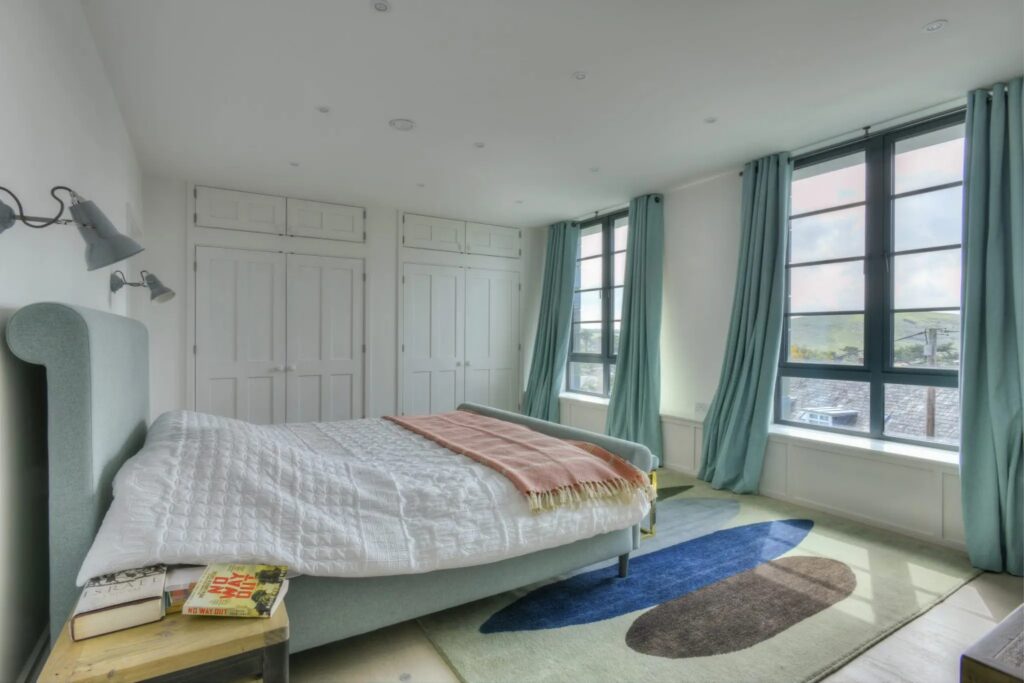
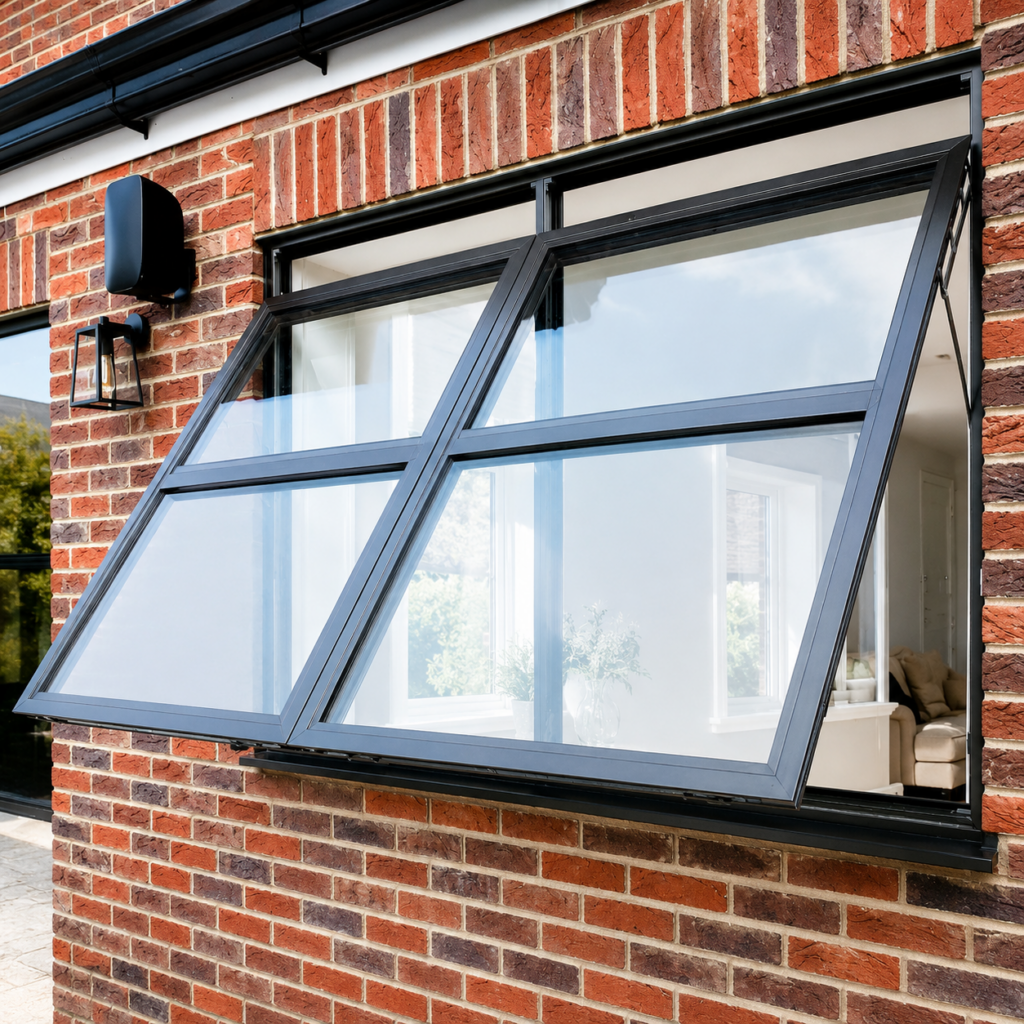
A top hung window is an outward-opening window where the sash opens from the bottom and is supported from the top. The handle is typically positioned along the lower section of the sash, allowing the window to project outwards for ventilation while still offering a degree of rain protection compared with some side-opening styles.
Top hung designs are often used where controlled ventilation is required, including bedrooms, kitchens, utility spaces, upper floors and contemporary glazing designs. Within the Sieger Systems window range, opening configurations can include top hung, side hung, fixed, bottom hung and tilt and turn options depending on the selected system and project requirements.
Because the sash moves outwards, the opening action relies on more than just the handle. The friction stays, hinges, restrictors, locking points and seals all work together. These parts are designed to support the sash, control the opening movement and pull the window back into compression when locked.
That is why correct operation matters. A top hung window should not be treated like a simple loose panel of glass. It is a balanced mechanical system.

The correct way to open a top hung window
To open a top hung window, unlock the handle fully before pushing the sash outwards. The movement should feel controlled and even. Do not force the handle if the lock has not fully disengaged, and do not push sharply against one corner of the sash.
Open the window using steady pressure from the handle area. The sash should travel outwards in line with the mechanism, without twisting. If the window has a restrictor, only open it to the permitted position. Do not try to push beyond the designed opening angle.
If the window feels stiff, catches at one corner, makes a grinding noise or requires sudden force to move, stop using force. Stiff operation is usually a sign that the mechanism needs cleaning, adjustment, lubrication or inspection. Forcing the sash can turn a minor alignment issue into a damaged hardware issue.

The correct way to close a top hung window
Closing is where many problems begin.
When a top hung window is fully open, the user often has to reach out to bring the sash back in. The common mistake is to pull the handle inwards and downwards at the same time. This places a downward load through the sash and mechanism, particularly when the sash is large, heavy or positioned at height.
The correct action is to guide the sash back towards the frame with steady, controlled pressure. Pull the sash inwards from the handle area, but avoid hanging your weight on the handle or dragging the sash down. The aim is to bring the sash back in line with the frame, not to pull it down towards the sill.
Once the sash is sitting evenly against the frame, turn the handle into the locked position. The locking action should pull the sash into compression against the seals. If the handle does not turn easily, do not force it. A forced handle can damage the lock, keeps or gearing.
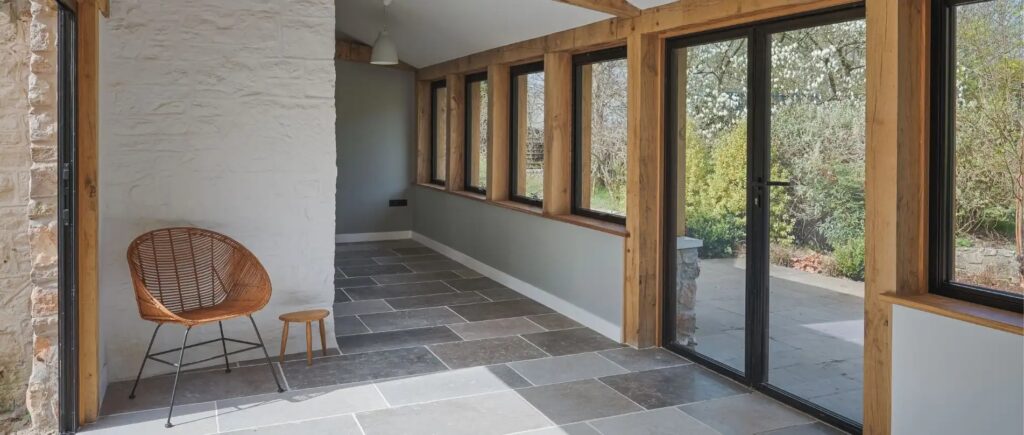
A good rule is simple: pull in, not down.
Why pulling down can cause problems
Top hung windows are designed to carry the weight of the sash through their hinges, stays and fixing points. When the sash is moved in the intended direction, the load is controlled. When the user pulls downwards, especially from a fully open position, the load is redirected through the mechanism.
Over time, this can contribute to several problems:
The sash may begin to sit slightly out of square.
The locking points may stop lining up cleanly with the keeps.
The handle may become harder to turn.
The sash may rub against the frame or seals.
The friction stay or hinge may become strained, worn or distorted.
The user may then describe the issue as a dropped sash. That description is understandable, because the symptom often looks like the window has dropped. However, the cause may not be that the sash has simply fallen. It may be that the mechanism has been stressed, the sash is no longer being guided evenly, or the locking side is being pulled out of alignment during use.
This is an important distinction because it changes the solution. A window that is repeatedly misused will continue to develop problems even if it is adjusted. Correct operation is part of the long-term performance of the window.
Has the sash actually dropped?
When a client says that a sash has dropped, they are usually describing what they can see or feel. The window might catch at the bottom, the handle might feel tight, or the gap around the sash might look uneven.
These symptoms can be caused by a genuinely dropped sash, but they can also be caused by other issues. Common causes include worn or strained friction stays, loose fixings, locking points being out of alignment, debris in the frame, lack of maintenance, damaged seals, building movement, installation tolerances or repeated force during operation.
For this reason, the safest approach is to describe the issue as a sash alignment or operation problem until it has been inspected properly. The window may need a minor adjustment, a service visit or replacement hardware. In some cases, the solution may simply be cleaning and correct use. In others, continued operation could make the problem worse.
Do not keep forcing a window that is catching, dropping, scraping or failing to lock. A heavy glazed sash should always be treated carefully.
Tilt and turn windows need the correct sequence
Tilt and turn windows are another common example of a high-performance glazing system that can be misused.
A tilt and turn window has two opening modes. In tilt mode, the sash tilts inwards from the top for secure ventilation. In turn mode, the sash opens inwards like a door, allowing wider ventilation and easier cleaning access. Both functions are controlled by the same handle, which means the handle position and sash position have to work together.
The most important rule is that the sash should be fully closed against the frame before changing the handle position. If the handle is turned while the sash is not correctly seated, the hardware can become confused between tilt and turn positions. This is sometimes described as the window being stuck, jammed or open in two ways at once.
To avoid this, close the sash fully first, then move the handle to the required position. Do not force the handle. Do not try to change from tilt to turn while the sash is hanging away from the frame. Do not pull on the sash while turning the handle.
Some tilt and turn systems include an anti-mishandling device to help prevent incorrect operation, but this should not be treated as a reason to force the window. It is a safeguard, not a substitute for correct use.
If a tilt and turn window becomes stuck between positions, avoid pulling aggressively on the sash. The sash can be heavy, and the hardware may be under load. In many cases, the system can be reset, but the correct reset method depends on the hardware. If you are unsure, contact the installer or service team rather than forcing it.
Bifold doors also rely on controlled movement
Bifold doors are larger and heavier than most window sashes, so correct operation is even more important.
A bifold system works through a combination of hinges, rollers, guides, tracks, catches and locking points. The panels are designed to fold and slide in a controlled movement. If one panel is pulled from the wrong point, left unsupported, slammed, dragged or forced against the track, the load can transfer into the hinges and rollers incorrectly.
The main mistake with bifold doors is using the wrong handle or the wrong part of the panel to drag the whole set open or closed. Handles are for unlocking, locking and controlling the leaf they are designed to operate. They are not always intended to pull the full weight of several panels along the track.
The correct approach is to unlock the system fully, fold the panels in the proper sequence, then guide the panels along the track using controlled pressure. Do not let panels slam into each other. Do not leave a panel sitting out at 90 degrees to the frame where it can be caught by wind, knocked, or left loading the hinges awkwardly. When the doors are open, they should be properly stacked or held in the intended open position.
If bifold doors begin to feel heavy, scrape along the track, drop at one side, fail to line up with the lock, or need lifting by hand to close, the system should be checked. Continued force can damage rollers, tracks, hinges and locking points.
Why these systems feel simple but need care
Modern architectural glazing is designed for daily use. A well-specified system should feel smooth and intuitive, but that does not mean it is indestructible.
The larger the sash or panel, the more important correct operation becomes. Slim aluminium frames, large glass units and high-performance seals all rely on accurate alignment. A few millimetres of movement can affect how the system locks, seals and drains.
This is especially relevant on premium glazing systems where the design intent is often to maximise glass size and minimise visible framing. Larger moving elements create greater loads on the hardware. The system can perform extremely well, but it should be operated as designed.
Good operation protects:
The hinges and friction stays.
The locking mechanism.
The gasket compression.
The frame alignment.
The drainage path.
The long-term smoothness of the system.
Correct use is not about being overly cautious. It is about allowing the mechanism to do its job without adding unnecessary stress.
Basic maintenance for opening glazing systems
Regular maintenance helps top hung windows, tilt and turn windows and bifold doors continue to operate smoothly.
Keep frames, tracks and drainage channels clean and free from debris. Dirt, leaves, grit and small stones can interfere with movement, especially on door tracks and lower frame sections. Clean visible hardware carefully and follow the manufacturer’s maintenance instructions for lubrication.
Do not use unsuitable sprays or oils unless they are recommended for the specific hardware. Some products can attract dirt, affect seals or interfere with the mechanism. Where lubrication is required, use the correct product in the correct location.
Check that handles operate smoothly and that locking points engage without force. Look for loose screws, visible damage, uneven gaps, scraping, draughts or water ingress. These are early warning signs that the system may need attention.
For coastal locations, exposed sites or heavily used doors, maintenance may need to be more frequent. Salt, wind-driven rain and grit can all increase wear on moving parts.
What not to do
Do not hang your body weight from a top hung window handle.
Do not pull a top hung sash downwards when closing it.
Do not force a handle if the sash is not properly aligned.
Do not slam bifold panels open or closed.
Do not use one small handle to drag a full bifold set along the track unless the system is specifically designed for that action.
Do not leave bifold panels loose at 90 degrees to the frame.
Do not change tilt and turn handle positions while the sash is not fully seated against the frame.
Do not attempt major hinge, stay, roller or sash adjustments unless you are competent and it is safe to do so.
Most importantly, do not keep forcing a system that is already showing signs of misalignment. Force usually makes the underlying issue worse.
When to contact Sieger Systems
You should arrange a service inspection if a top hung window, tilt and turn window or bifold door becomes difficult to operate, fails to lock, appears out of alignment, drops at one corner, scrapes against the frame or track, or needs unusual force to open or close.
You should also seek advice if the sash or panel feels unstable, if hardware appears loose or damaged, or if the system has changed suddenly after a period of normal use.
Sieger Systems supplies and installs premium architectural glazing systems for homes, extensions and commercial spaces across London, Buckinghamshire, Berkshire, Oxfordshire, Hertfordshire, Surrey, Bath, Bristol and Somerset. Our team can advise on suitable glazing systems, correct operation, maintenance and servicing for your project.
For new projects, explore the Sieger window systems, aluminium tilt and turn windows and bifold door systems to find the right opening style for your building.
FAQ
Why does my top hung window feel like it has dropped?
A top hung window may feel dropped if the sash is catching, the gaps look uneven or the handle is difficult to lock. This can be caused by sash movement, strained friction stays, loose hardware, misaligned locking points, debris or repeated downward pulling during operation. The window should be inspected before assuming the cause.
Can I adjust a top hung window myself?
Minor care such as cleaning the frame and checking for visible debris is usually fine. Hardware adjustment should be approached carefully, especially on large or heavy glazed sashes. If the sash is dropping, scraping or failing to lock, it is safer to contact the installer or a glazing service specialist.
How should I close a top hung window?
Guide the sash back towards the frame using steady inward pressure from the handle area. Avoid pulling down on the handle or using your body weight to close the window. Once the sash is evenly against the frame, turn the handle to lock it.
Why has my tilt and turn window become stuck?
Tilt and turn windows can become stuck if the handle is moved while the sash is not fully closed against the frame. This can leave the hardware caught between tilt and turn modes. Do not force the sash. The correct reset method depends on the system, so contact the installer if you are unsure.
How do I stop bifold doors from dropping?
Operate the doors in the correct sequence, guide the panels along the track, keep the track clean and avoid leaving panels unsupported or loose at 90 degrees to the frame. If the doors already scrape, drop or fail to lock, arrange a service inspection before further damage occurs.